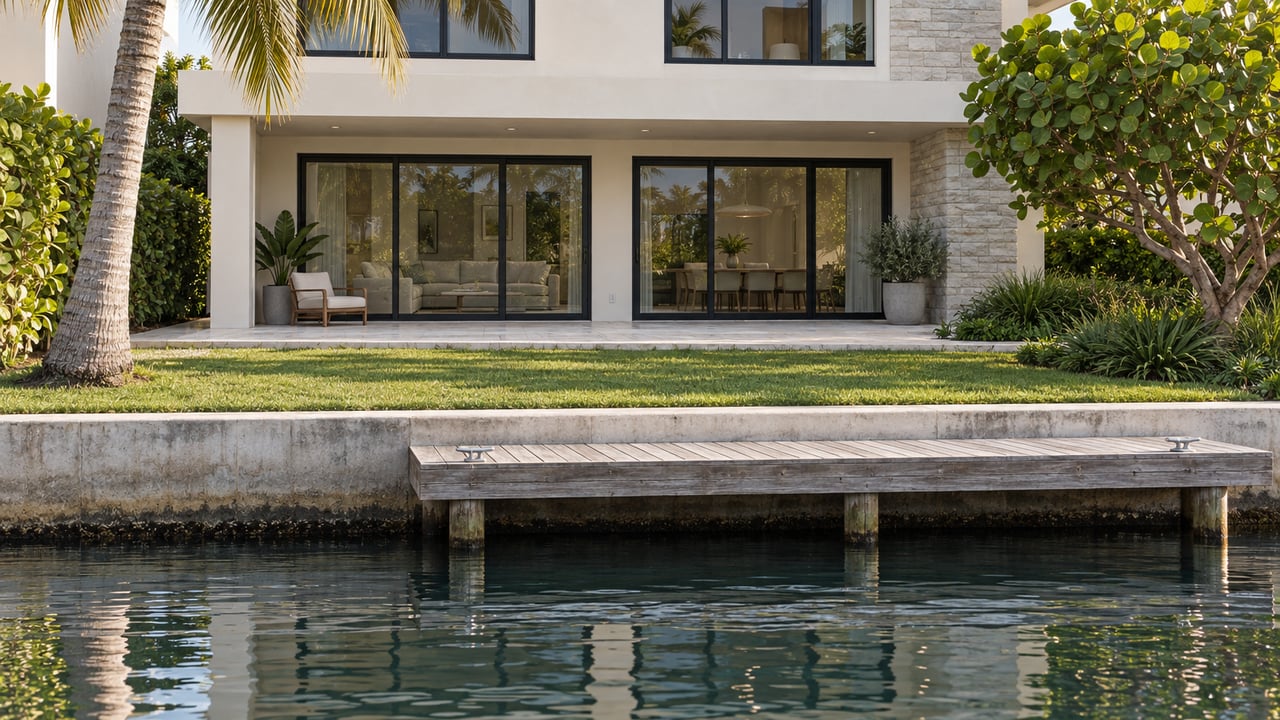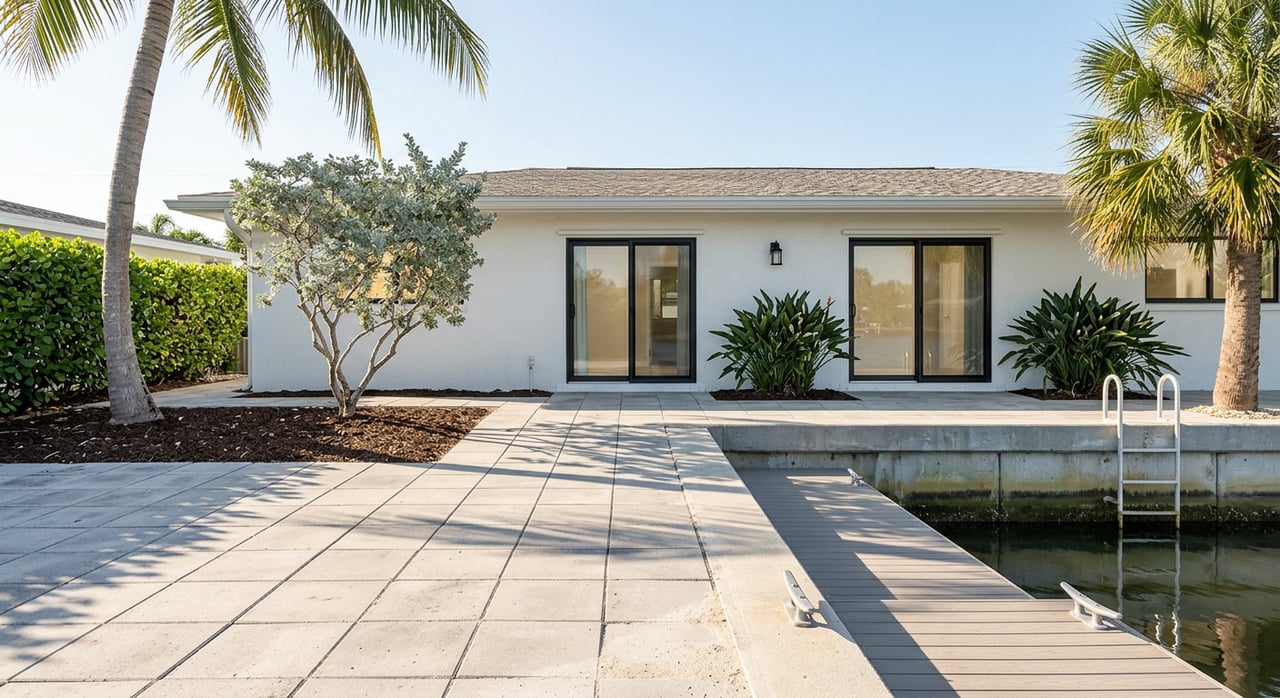
Dreaming of stepping from your patio onto your boat and cruising to the Atlantic in minutes? In Broward County, Lighthouse Point, Pompano Beach, and Deerfield Beach each offer a different boating experience, from quiet canal living to full-service marinas. If you are comparing these neighborhoods, the right choice comes down to canal depth, bridge clearances, route to the inlet, marina access, and the price you want to pay for dockage behind your home. This guide breaks it down so you can pick the best fit and buy with confidence. Let’s dive in.
How the areas differ
Lighthouse Point at a glance
Lighthouse Point is a small, canal-laced residential city where many homes have private docks and fast routes to the Hillsboro Inlet. You get a quiet, boat-first lifestyle with short runs on the Intracoastal Waterway. Waterfront lots often trade at a premium compared with nearby cities, especially on deep or wider canals. Always verify the specific route for “ocean access,” since it can include the AICW and a quick run to the inlet.
Pompano Beach at a glance
Pompano Beach is larger and offers multiple public and private marinas, including hotel-marina combinations and newer infrastructure. The city continues to invest in waterfront amenities and redevelopment, which increases service density for boaters. It is a smart pick if you want managed slips plus the option for private dockage in neighborhoods like Harbor Village. Expect strong availability of fuel, ship stores, and transient dockage.
Deerfield Beach at a glance
Deerfield Beach blends a range of marinas and service yards with more affordable waterfront segments in some areas. You have access to the Hillsboro Canal and the AICW, plus a mix of wet slips, dry stack, and haul-out options. If you want lower entry pricing for waterfront living without giving up nearby services, Deerfield is worth a close look.
Water access and inlet time
Canal geometry and depth vary block by block. In Lighthouse Point, city resources include a hydrographic survey that helps you confirm depths and approach conditions on a canal-by-canal basis. That is the best starting point to assess your vessel’s draft against low-tide depths.
“Usable” waterfront comes down to three things: enough water depth for your draft at low tide, a dock that is long and strong enough for your boat, and a navigable approach with turning room. Even a beautiful canal view can be misleading without these checks. Transit time to the Hillsboro Inlet is short from many Lighthouse Point addresses, but your actual time depends on your cruising speed and any no-wake zones along the AICW.
Bridge clearances and air draft
Intracoastal drawbridges in this corridor typically have closed vertical clearances around 13 feet. Under federal drawbridge rules (33 CFR Part 117), most bascule bridges open on signal, with scheduled exceptions during peak hours. That means most powerboats pass without issue, while sailboats and tall vessels need planned openings.
Named crossings to check on many common routes include Hillsboro Boulevard in Deerfield Beach, NE 14th Street Causeway in Pompano Beach, and Atlantic Boulevard in Pompano Beach. If your mast height exceeds the closed clearance, treat the route as drawbridge dependent and confirm opening windows, likely delays, and whether the timing fits your cruising style.
Marinas and yard options
Lighthouse Point marinas
You will find full-service slip options positioned as minutes to the inlet, including Port 32 Lighthouse Point and programs at Lighthouse Point Yacht Club. For many owners, a managed slip serves as a practical backup when you are remodeling a dock, need extra shore power, or want hurricane-season flexibility. Expect amenities like pump-out, transient dockage, and fuel access nearby.
Pompano Beach marinas
Pompano offers a strong marina network, highlighted by Sands Harbor Resort & Marina with fuel, wet slips for larger vessels, and a ship store. Ongoing waterfront redevelopment and municipal amenities add convenience, whether you keep your boat in a managed slip or behind a home. You will also see new marina-adjacent condo options that pair lock-and-leave living with on-site boating services.
Deerfield Beach marinas
Deerfield features a mix of facilities near the Hillsboro Canal and Hillsboro Inlet, including Marina One and other dry and wet storage operators. You can access haul-out services, dry stack, service departments, and smaller family-run marinas. This spread of offerings supports typical owner needs at a range of price points.
Bigger refit and haul-out
If you run a larger boat or plan periodic refits, Fort Lauderdale’s major yards, such as Lauderdale Marine Center, are a short run south. That proximity matters if you want big-tonnage haul-out capacity and a full vendor ecosystem for projects.
What to ask a dockmaster
- Slip length, beam, and shore power specs (amps and phase)
- Fuel type and hours, in-slip pump-out, and hurricane plan
- Haul-out capacity, dry-stack options, and service partner capabilities
- Transient vs. long-term availability, liveaboard rules, and insurance requirements
Dock rules, seawalls, and permits
City building departments handle dock and seawall permits, along with county and state reviews as needed. In Lighthouse Point, you can request permit history, as-built drawings, and details from the Marine Advisory Board and building department portals. For work in or over navigable waters, state and federal agencies may be involved, including Florida DEP, the South Florida Water Management District, and the U.S. Army Corps of Engineers.
If you are buying into an HOA or condo, review association rules for boat length, number of vessels, lift or davit permissions, and liveaboard policies. These can be more restrictive than city code. Seawalls are a major diligence item. Ask for construction date, engineering, permits, and any repairs or claims. Pair that with canal soundings or the local hydrographic survey to understand maintenance needs and insurance implications.
Home styles and price context
Citywide medians give you a starting point for budget planning, but they understate waterfront premiums. Recent snapshots show Lighthouse Point around a $720,000 median, Pompano Beach near $360,000, and Deerfield Beach around $329,000. True deep-water or wide-water homes often sell well above those figures, sometimes by multiples.
For boaters, the most functional lots are canal single-family homes with private docks. In Lighthouse Point and Pompano’s Harbor Village, you will see everything from mid-century cottages to new contemporary builds designed around dockage. Intracoastal estates are rare and command trophy pricing. If you want a simpler lock-and-leave setup with boating access, consider newer marina-linked condo towers emerging in Pompano alongside established beachfront condo options.
To compare apples to apples, filter your search to the waterfront subset and then break it down by canal type, dock length, and route constraints. That view will better match your total cost per usable linear foot of dockage.
Buyer checklist for boat-friendly homes
Use this checklist on every waterfront property you tour and document the findings in your offer package:
- Dock specs and history: exact linear feet, construction type, year built, permits, and any violations.
- Depth at low tide: confirm mean low water soundings within 30–60 feet of the seawall via city survey or independent measurements.
- Route to the ocean: map every bridge by name, list closed vertical clearances, note on-demand vs. scheduled openings, and estimate transit time to the Hillsboro Inlet at your normal speed.
- Approach and turning room: check maneuvering space at normal tide with neighboring pilings, moorings, or tight bulkheads.
- Rules and approvals: HOA maximum LOA and beam, number of boats allowed, liveaboard policy, and any lift or davit restrictions.
- Marina backup: identify the nearest full-service marina with fuel, pump-out, haul-out, and get a sense of long-term slip availability.
- Insurance factors: note seawall age and condition, elevation details, and any mitigation items your insurer will require.
Which area fits you?
- Choose Lighthouse Point if you want a small, residential, canal-heavy community with many homes offering private docks and quick runs to the inlet. Expect to pay a premium for high-usability dockage and confirm canal depth and approach.
- Choose Pompano Beach if you value a robust marina network, hotel-marina amenities, and newer waterfront development. It is a strong pick if you want managed slips plus private dock options.
- Choose Deerfield Beach if you want a lower entry price for waterfront living with a healthy mix of marinas, dry storage, and haul-out services. It is ideal when your priority is value per linear foot over trophy estate positioning.
Start your search with local pros
You do not have to figure this out alone. Our broker-led team lives and works in these canals and marinas every day. We will help you verify depths, bridge constraints, HOA rules, and dock condition before you write an offer, and we can line up marina backups, inspections, and renovation vendors if you need them. Ready to see the best options for your boat and budget? Connect with the team at Red Pin Realty to get a custom waterfront plan.
FAQs
What makes Lighthouse Point strong for boaters?
- It is a small, canal-focused city with many private docks and short runs to the Hillsboro Inlet, which suits owners who want backyard dockage and quick ocean access.
How fast can I reach the ocean from these areas?
- Many Lighthouse Point routes are minutes to the Hillsboro Inlet, while Pompano and Deerfield access varies by canal location, boat speed, and no-wake or bridge timing.
Do sailboats fit given local bridge clearances?
- Most AICW bascule bridges here have about 13 feet of closed clearance, so sailboats typically require openings under 33 CFR Part 117 and should plan timing.
Who permits docks and seawalls on a waterfront home?
- City building departments handle permits with possible state and federal reviews, and HOAs may add separate rules on boat size, lifts, and liveaboard policies.
What marina services are near these neighborhoods?
- You will find wet slips, fuel, pump-out, dry stack, and haul-out across local marinas, with larger refit and heavy-lift capacity available in nearby Fort Lauderdale.
How should I compare prices for waterfront homes?
- Filter your search to waterfront-only results and then compare canal type, dock length, depth, and route constraints rather than relying on citywide median prices.