Picture this: you leave your condo lobby, cross a palm-lined promenade, and your toes hit the sand. In Pompano Beach, that scene is real life, whether you’re eyeing a pier-side tower, a canal-front condo with boat access, or a value play a few miles inland. You want the right fit for your lifestyle and budget, and you also want to avoid surprises with building rules, insurance, and assessments. In this guide, you’ll learn how Pompano Beach’s beachfront pockets differ, what condo costs to plan for, and the due diligence steps that protect your purchase. Let’s dive in.
Why Pompano Beach for condo living
Pompano Beach is a coastal city in Broward County with a growing population and an active oceanfront scene. According to Census QuickFacts, the city had just over 112,000 residents in 2020, with estimates trending higher since then. You’ll find a mix of oceanfront high-rises, Intracoastal and canal condos, and inland golf-course communities.
The city’s beachfront revitalization centers on the Fisher Family Pier and the six-acre Fishing Village, a walkable hub for dining and entertainment along the ocean. The pier enhancements were dedicated in 2022, and the Fishing Village has become a primary gathering spot for residents and visitors alike. You can learn more about the project on the city’s page for the Pier and Fishing Village redevelopment.
Pompano also participates in Broward County’s beach protection program. Periodic shoreline nourishment helps maintain beach width, but it can temporarily affect access or beach conditions during construction cycles. The county outlines current and planned work on its Broward Shore Protection Projects page.
Beachfront areas at a glance
Before you pick a building, it helps to pick a pocket that fits how you want to live day to day. The city publishes official neighborhood boundaries on its Pompano Beach neighborhoods map, and here’s how the main beachfront and near-beach areas feel on the ground.
Beach/Pier/Fishing Village core
- What you’ll notice: A resort-style, walkable strip with restaurants, the pier, and a lively promenade. Expect seasonal foot traffic and easy access to coffee, cocktails, and beach time.
- Typical condos: Mid-century towers with smaller floor plans and ocean views, plus newer boutique and luxury buildings near the pier. True oceanfront views carry a premium.
- Best if you want: Walk-to-everything convenience on the sand and a turn-key lifestyle. If you plan to rent short term, you must confirm both the city’s permit and your building’s rules first.
Harbor Village, Avalon Harbor, Santa Barbara Shores (Intracoastal/canal)
- What you’ll notice: Boating energy and a neighborhood feel. Many spots are an easy walk or quick drive to the downtown and pier corridor without sitting directly on the beachfront promenade.
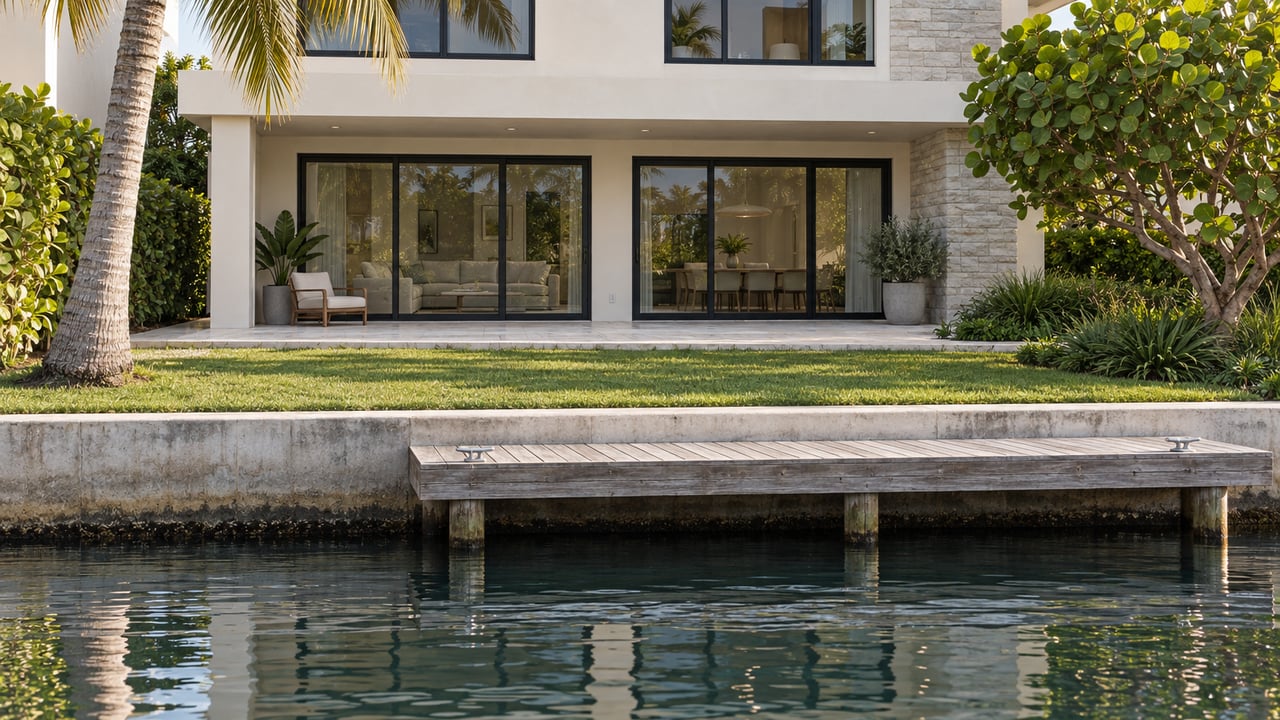
- Typical condos: Canal-front mid-rises and townhome-style condos, sometimes with boat slips. Flood exposure, seawall condition, and wind insurance drive costs here.
- Best if you want: Water access without paying the oceanfront premium, and a quieter home base that still connects to dining and services. Explore walkability blocks using this Harbor Village Walk Score reference point.
Hillsboro Shores, Terra Mar, North Beach pockets
- What you’ll notice: Quieter, more residential shoreline near Hillsboro Inlet and the city’s north boundary. Fewer nightlife options than the pier area, more low-key beach days.
- Typical condos: A mix of small towers and low-rise buildings close to the sand, plus single-family streets.
- Best if you want: Ocean proximity with a calmer vibe and established streetscapes.
Old Pompano/Downtown (Atlantic Blvd corridor)
- What you’ll notice: A growing urban core with mid-rise development, restaurants, and civic amenities. It links intentionally with the Fishing Village and pier improvements.
- Typical condos: Mid-rise and mixed-use options with easy access to dining and services.
- Best if you want: Walkability, short commutes, and an active day-to-night environment.
Palm Aire and inland golf communities
- What you’ll notice: A suburban, park-like setting west of the beach with condo clusters along fairways.
- Typical condos: Larger interior space for the price, townhomes and mid-rises. Often less exposure to coastal insurance hikes than the barrier island.
- Best if you want: More square footage and value, while staying a short drive from the ocean.
What drives condo pricing and value
Citywide condo prices vary widely by building age, location, amenities, and view. Many inland or older buildings trend in the low-to-mid $200Ks to $300Ks, while updated buildings and oceanfront views often command more. Within the same tower, a higher floor or direct ocean outlook can change price per square foot.
Your monthly costs can differ just as much. Oceanfront and low-elevation buildings often carry higher wind and flood insurance premiums. Older properties that recently completed or are planning repairs may have special assessments. Newer or well-managed associations with strong reserves can feel more predictable.
The bottom line: evaluate both the purchase price and the building’s long-term plan. You want clear answers on maintenance, reserves, and insurance because those factors shape your total cost of ownership.
Rules and building safety you should know
Understanding local rules upfront helps you avoid surprises later.
Short-term rentals
Pompano Beach requires an annual city permit and inspections for short-term rentals. Even if you secure the city permit, your condo association may prohibit or restrict rentals by term or frequency. Review the city’s short-term rental permit requirements and your building’s governing documents before counting on rental income.
Building safety inspections (milestone/recertification)
Broward County’s Building Safety Inspection Program applies to many older buildings. Associations must complete milestone structural and electrical inspections on set timelines. If inspections reveal required work, boards may levy assessments to fund repairs. Learn the basics and timelines on the county’s Building Safety Inspection Program page.
Flood and insurance exposure
Oceanfront, Intracoastal, and canal buildings are often mapped in FEMA Special Flood Hazard Areas. Associations typically carry master flood and wind coverage, but premiums and deductibles vary. Buyers commonly request elevation certificates, master policy details, and recent premium history. For long-term planning, Broward provides a Sea Level Rise resources page, and FEMA offers technical guidance on coastal flood zones and building practices. Reviewing these early helps you budget and compare buildings more accurately.
Lifestyle: dining, events, and everyday convenience
The Fishing Village is the city’s oceanfront anchor for dining and entertainment, with restaurants, retail, a visitor center, and the pier itself. It creates a true walkable lifestyle for nearby towers and a lively day-to-night scene for residents across the beach district. See the city’s overview of the Fishing Village and pier amenities for current businesses and improvements.
Downtown along Atlantic Boulevard is evolving as well, with more restaurants and civic activity that pair well with mid-rise living. Many residents split time between the shore and downtown for errands, coffee, and dinner.
Your Pompano Beach condo due diligence checklist
Use this quick list to organize questions and documents as you tour buildings.
- Building health and milestone status
- Ask for the most recent structural and electrical milestone or recertification reports and any open permits or orders. Review timelines for required repairs and confirm whether assessments are pending or recently levied. Reference the county’s Building Safety Inspection Program for context.
- Reserves, budgets, and board minutes
- Request the latest reserve study, current reserve balance, annual budget, and board or membership minutes highlighting repairs, projects, or special assessments. Elevator, balcony, garage, and roof work can be material.
- Insurance details and premiums
- For oceanfront and low-elevation properties, review the association’s master policies for wind and flood, coverage limits, deductibles, and recent premium trends. Ask for the building’s elevation certificate if available.
- Short-term rental rules and permitting
- Confirm whether the declaration and rules allow rentals, minimum lease terms, caps on the number of leased units, and application steps. Cross-check with the city’s short-term rental permit guidance.
- Parking, beach access, and walkability
- Verify assigned spaces, guest parking, storage, and bike facilities. Around the pier, confirm where guests park and whether paid public parking or validations apply. Identify nearby public beach access points.
- Lender and resale considerations
- Some lenders scrutinize buildings with low reserves or open safety items. Clarify building finances and inspection status early to avoid underwriting delays. Strong documentation also helps future resale.
Who tends to love each pocket
- Pier/Fishing Village: Buyers who want a walk-to-everything beachfront lifestyle and easy access to dining and entertainment.
- Harbor Village and nearby canals: Boaters and residents who value quieter streets, water access, and a short hop to downtown and the beach.
- Hillsboro Shores and north beach: Shoppers seeking calm shoreline settings and established blocks near the inlet.
- Downtown/Old Pompano: Residents who prioritize urban convenience, quick commutes, and active streets.
- Palm Aire and inland: Value-minded buyers who prefer larger floor plans and a lower exposure to coastal insurance costs.
Morning, noon, and night in five pockets
- 8 a.m. Pier core: Beach walks, sunrise pier views, coffee on the promenade.
- 12 p.m. Harbor Village: Midday marina activity, lunch near the Intracoastal, quieter sidewalks.
- 8 p.m. Pier core: Sunset dinners, live music, and an energetic promenade.
- 8 a.m. North beach: Low-key shoreline and calmer streets.
- 12 p.m. Downtown: Cafés and errands, easy day-to-day convenience.
Ready to compare buildings?
Choosing the right condo in Pompano Beach comes down to fit: the pocket you’ll enjoy, the building’s health and insurance profile, and rules that match how you plan to live or rent. A focused search and document review make all the difference. If you want help narrowing options, getting building docs, or planning for leasing and property management from day one, connect with our local team at Red Pin Realty. We’re a broker-led boutique based in Pompano Beach, and we can guide you from property tours to closing, and support you after with leasing, management, or renovation coordination.
FAQs
What are the main beachfront neighborhoods in Pompano Beach?
- The oceanfront core centers on the Pier and Fishing Village, with quieter shoreline pockets in Hillsboro Shores and Terra Mar; nearby Intracoastal areas like Harbor Village offer canal-front options.
How do short-term rental rules work for Pompano Beach condos?
- The city requires an annual short-term rental permit and inspections, and many condo associations set their own rental restrictions. Review the city’s short-term rental permit requirements and your building’s governing documents before buying.
What is Broward County’s condo milestone or recertification process?
- Older buildings may be subject to the county’s Building Safety Inspection Program, which requires structural and electrical inspections on set timelines. Findings can lead to required repairs and assessments. See Broward’s program overview for details.
How does beach nourishment affect Pompano Beach condo buyers?
- Periodic county-led nourishment maintains beach width but can temporarily affect beach access or conditions during work cycles. Check the Broward Shore Protection Projects page for updates near buildings you’re considering.
What flood and insurance issues should I check for oceanfront or canal condos?
- Ask for elevation certificates, master wind and flood policies, coverage limits, deductibles, and recent premiums. Review long-term exposure using Broward’s Sea Level Rise resources and FEMA coastal guidance.
Is Pompano Beach a good fit for seasonal condo living?
- Yes, many buyers choose the pier area or walkable Intracoastal pockets for easy beach access and dining. If seasonal renting matters, verify city permits and condo rental rules early in your search.