Thinking about moving to Fort Lauderdale? You are not alone. With waterways, beaches, downtown energy, and more residential pockets spread across about 36 square miles, Fort Lauderdale can feel less like one city and more like a collection of very different neighborhood experiences. This guide will help you understand how the city is laid out, what daily life can look like in different areas, and how to narrow your search based on your routine, budget, and goals. Let’s dive in.
Why Fort Lauderdale Feels So Different Block to Block
Fort Lauderdale had an estimated population of 190,641 in July 2024, and the city is shaped by 165 miles of inland waterways, major east-west corridors, and a mix of coastal and inland communities. That layout matters when you are moving here because your lifestyle can change a lot depending on which side of the city you choose.
Some neighborhoods feel tied to the beach and visitor activity. Others center on downtown living, shorter trips, and access to transit. Many inland neighborhoods offer a more residential setting with a quieter, more car-oriented routine.
Citywide housing also reflects that mix. Fort Lauderdale has a 54.1% owner-occupied housing rate, a median gross rent of $1,854, a median owner-occupied home value of $486,700, and a median household income of $83,130.
Start With Your Lifestyle
Before you focus on a specific neighborhood, it helps to ask a few practical questions. The best fit often comes down to how you want your average week to work, not just what looks good in photos.
Ask yourself:
- Do you want to be close to the beach or closer to daily errands?
- Would you prefer a more walkable area or are you comfortable driving most places?
- Do you want downtown energy or a quieter residential setting?
- Are parks and outdoor recreation a big part of your routine?
- Will you rent first, buy right away, or explore both options?
If you start with those answers, your Fort Lauderdale search becomes much easier to manage.
Beach Neighborhoods in Fort Lauderdale
Fort Lauderdale’s city-recognized eastside beach and Intracoastal neighborhoods include Central Beach, Lauderdale Beach, Harbor Beach, Galt Mile, Seven Isles, and Las Olas Isles. These are the areas most closely tied to the city’s oceanfront image.
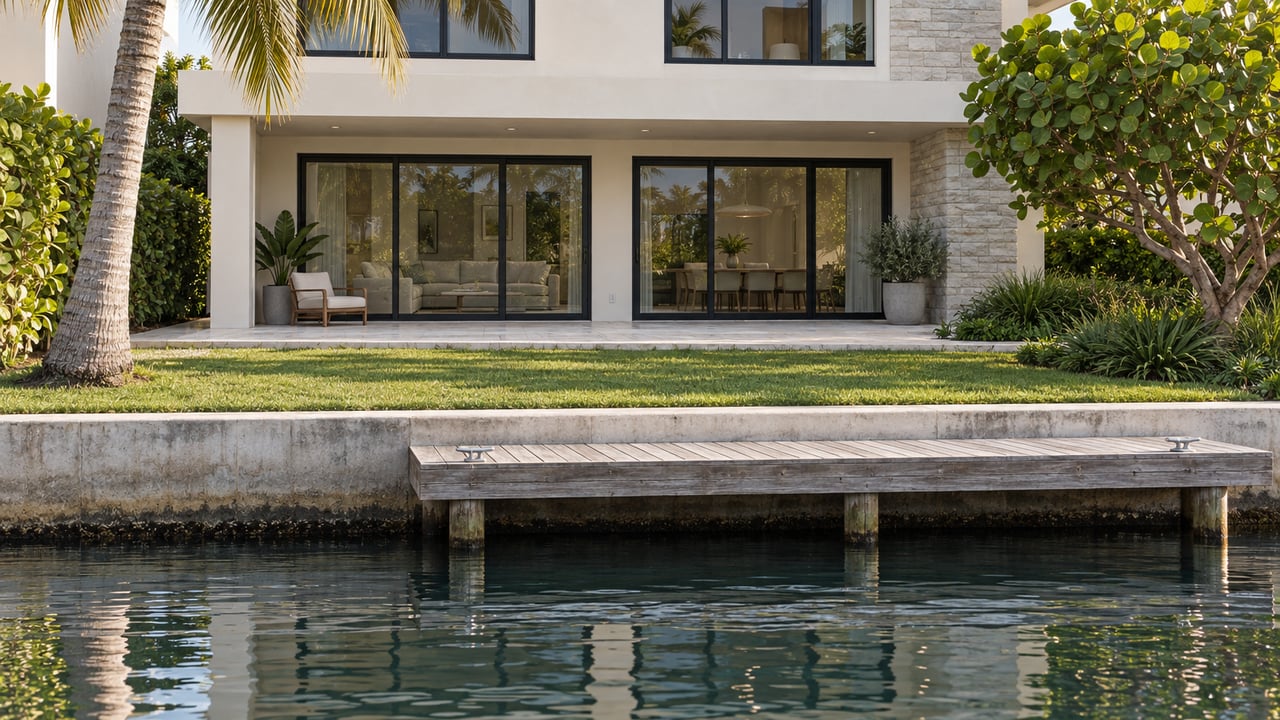
If you picture beach access, waterfront views, and a vacation-style setting, this part of the city will likely stand out to you. In many cases, you will also notice more visitor activity and a stronger hospitality feel than you would in inland neighborhoods.
What daily life feels like near the beach
Living near the beach often means easier access to outdoor spaces and water-oriented amenities. Fort Lauderdale Beach Park includes volleyball, showers, a playground, picnic tables, grills, restrooms, and a non-motorized boat ramp, which gives this part of the city a very active, casual rhythm.
Hugh Taylor Birch State Park adds another layer to the eastside lifestyle. Located between the Atlantic Ocean and the Intracoastal Waterway, it offers a large green space that can make a big difference if you want both coastal access and room to unplug.
Who may prefer beach areas
These neighborhoods can appeal to you if you want:
- Frequent beach access
- A more resort-like environment
- Waterfront or Intracoastal surroundings
- Easy access to outdoor recreation
- A location that feels closely connected to Fort Lauderdale’s coastal identity
If you prefer quieter streets and less visitor traffic, you may want to compare these areas with inland residential neighborhoods before deciding.
Downtown and Central Neighborhoods
Downtown Fort Lauderdale and nearby central neighborhoods include Flagler Village, Victoria Park, Colee Hammock, Rio Vista, Sailboat Bend, Tarpon River, and Middle River Terrace. This part of the city tends to offer the easiest mix of culture, dining, civic services, and transportation options.
The city describes Riverwalk as the cornerstone of its arts, science, cultural, and historic district, while Las Olas Boulevard serves as a major dining and entertainment center. You will also find Broward College, Florida Atlantic University, the Broward County Main Library, and other civic destinations in this broader area.
Why downtown works for car-light living
If you want to reduce how much you drive, central Fort Lauderdale is often the easiest place to start. Brightline’s downtown station is at 101 NW 2nd Avenue, and the area is also supported by the LauderGO! Micro Mover and the Riverwalk Water Trolley.
That combination can make downtown and nearby central neighborhoods more practical if you value shorter local trips, regional rail access, and a more connected daily routine. Compared with inland sections of the city, this area is generally easier to pair with walking, shuttles, and rail.
Who may prefer the urban core
You may want to look more closely at downtown and central neighborhoods if you are looking for:
- Easier access to dining and entertainment
- Closer proximity to civic and cultural destinations
- Better options for car-light living
- A more active, urban pace
- Quick access to Riverwalk and Las Olas
Inland Residential Neighborhoods
Fort Lauderdale also has many recognized inland and more residential communities, including Coral Ridge, Coral Ridge Country Club Estates, Coral Ridge Isles, Imperial Point, Croissant Park, Harbordale, Lauderdale Harbors, Lauderdale Isles, River Oaks, Riverland, Lauderdale Manors, Melrose Park, Golden Heights, Progresso Village, and South Middle River.
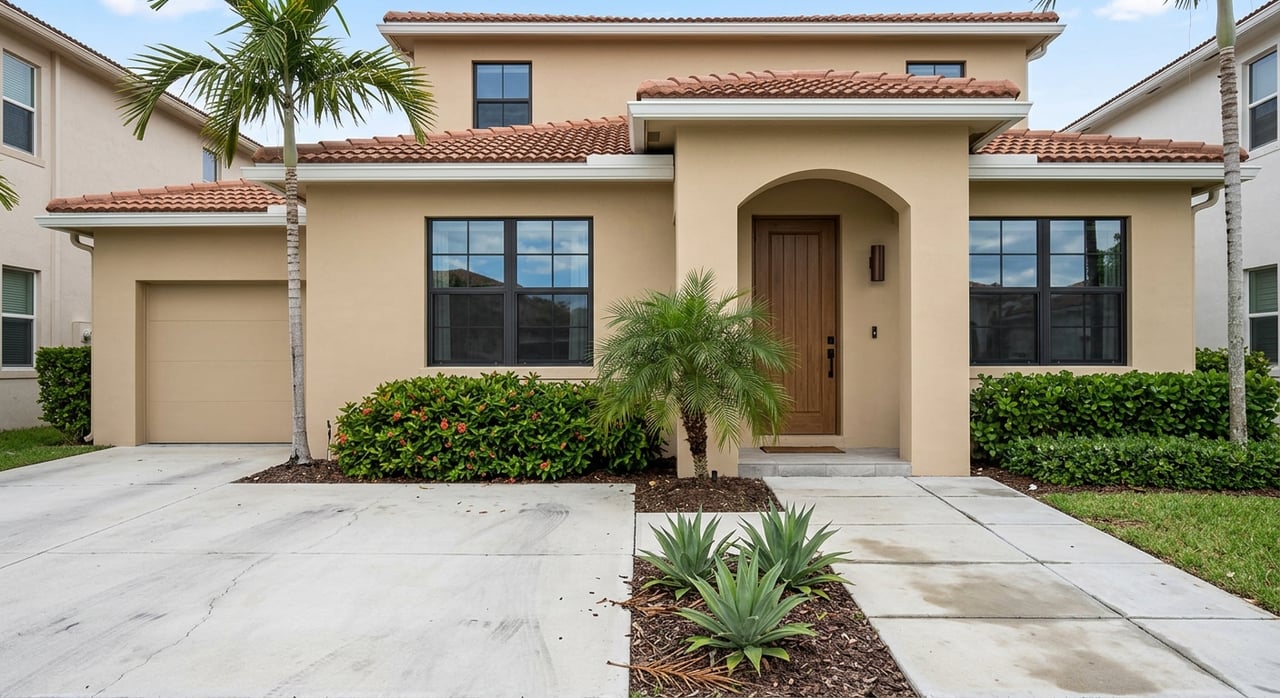
In broad terms, these areas often feel less visitor-heavy than the beach and less centered on downtown activity. For many newcomers, that makes them worth a closer look when day-to-day comfort and a neighborhood-first feel matter most.
What to expect inland
Many inland neighborhoods are better suited to a car-oriented routine. That does not mean they are isolated, but it does mean your daily pattern may revolve more around driving to work, shopping, parks, or transit connections.
Parts of the interior still benefit from useful transportation links. The city’s northwest Micro Mover service area and Tri-Rail and Broward County Transit connections can help support commuting, especially if regional travel is part of your week.
Who may prefer residential inland areas
These neighborhoods may be a strong fit if you want:
- A more residential setting
- Quieter streets than beach or downtown areas
- A routine that works well with driving
- Access to parks and neighborhood amenities
- More variety as you compare condos, townhomes, and single-family homes
Getting Around Fort Lauderdale
Transportation can shape your neighborhood choice just as much as home style or price point. In Fort Lauderdale, convenience often depends on whether you want local flexibility, regional commuting options, or airport access.
Brightline connects Fort Lauderdale with Miami, Aventura, Boca Raton, West Palm Beach, and Orlando. The Fort Lauderdale station also offers parking, free Wi-Fi, and airport shuttle connections, which can be useful if you travel often or expect regular trips across South Florida.
Tri-Rail adds another commuting option. The Fort Lauderdale Station at 200 SW 21st Terrace has free commuter parking and connects to Broward County Transit routes 9, 22, and 81, plus the city’s LauderGO! shuttle. The Fort Lauderdale Airport Station in Dania Beach also offers a complimentary shuttle to FLL.
LauderGO! fills in many short local trips with the Community Shuttle, the free Water Trolley across the New River, and the free Micro Mover in downtown, beach, Galt Mile, and northwest service areas. Broward County Transit serves the county more broadly, and Route 1 reaches the airport along Federal Highway.
Parks and Everyday Quality of Life
When you are choosing a neighborhood, parks can be one of the easiest ways to picture your daily routine. They often tell you more about how a part of the city feels than a listing sheet can.
Fort Lauderdale Beach Park is the most obvious fit for an oceanfront lifestyle. Holiday Park, in a central location, spans 93.44 acres and includes athletic fields, a dog park, a walking and jogging trail, pickleball, and the Baptist Health IcePlex.
Snyder Park offers disc golf, fishing, dog swimming, a nature trail, and the FORT pickleball club. Hugh Taylor Birch State Park gives the eastside another major green space option, especially for buyers or renters who want access to both city life and nature.
What Families Should Know About Schools
If school assignments are part of your move, it is important to know that Broward County Public Schools assigns schools based on a primary residential address. The district advises families to use Find My School, and school choice options are available during application windows.
That means it is best not to make assumptions about school zoning based on a neighborhood name alone. If a specific address is on your shortlist, verify the assigned schools for that address before you move forward.
Fort Lauderdale-based magnet high school examples listed by the district include Fort Lauderdale High and Stranahan High. If school access is a major factor in your search, an address-by-address review will give you the clearest picture.
How to Narrow Your Search
If Fort Lauderdale feels broad at first, that is normal. The easiest way to focus your search is to group neighborhoods by the kind of life you want to live.
You might lean toward the beach if you want coastal access and a more destination-style setting. You may prefer downtown or nearby central neighborhoods if transit, walkability, and city energy matter most. Inland residential areas may be the better fit if you want a quieter routine and more neighborhood-oriented surroundings.
A smart next step is to build a shortlist around three things:
- Your daily commute or travel needs
- Your preferred pace of life
- Whether you plan to rent, buy, or invest
That approach helps you compare neighborhoods in a practical way instead of getting overwhelmed by options.
If you are planning a move to Fort Lauderdale, working with a local team can help you sort through micro-markets, compare housing options, and decide whether renting or buying makes more sense for your timeline. If you want personalized guidance on Fort Lauderdale neighborhoods, rentals, homes for sale, or your next move in Broward County, connect with Red Pin Realty.
FAQs
What are the main types of neighborhoods in Fort Lauderdale?
- Fort Lauderdale generally breaks into beach and Intracoastal neighborhoods, downtown and central neighborhoods, and more residential inland neighborhoods, each with a different pace and lifestyle.
Which Fort Lauderdale neighborhoods are best for beach access?
- City-recognized eastside neighborhoods such as Central Beach, Lauderdale Beach, Harbor Beach, Galt Mile, Seven Isles, and Las Olas Isles are the most closely tied to beach and waterfront living.
Which Fort Lauderdale areas are easiest without a car?
- Downtown Fort Lauderdale and nearby central neighborhoods are typically the easiest for car-light living because they have access to Brightline, LauderGO! Micro Mover service, and the Riverwalk Water Trolley.
Are inland Fort Lauderdale neighborhoods quieter than beach areas?
- In general, many inland neighborhoods feel more residential and less visitor-heavy than beach and downtown areas, which can appeal to people who want a quieter daily routine.
How do school assignments work in Fort Lauderdale?
- Broward County Public Schools uses a primary residential address to determine school assignments, so it is best to verify zoning for any specific address you are considering.
What transportation options do newcomers have in Fort Lauderdale?
- Newcomers can use Brightline, Tri-Rail, Broward County Transit, LauderGO! shuttles, the Water Trolley, and airport shuttle connections, depending on the neighborhood and trip type.