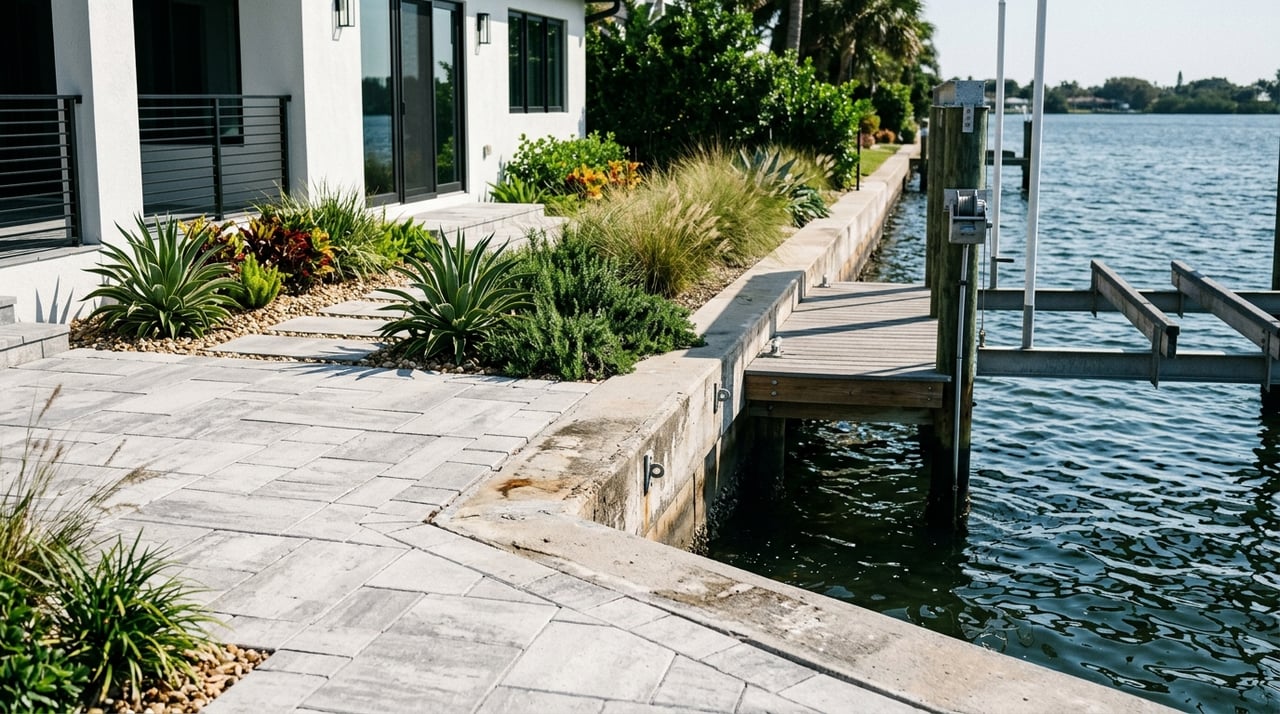
Thinking about selling your waterfront home in Lighthouse Point? You are not just selling square footage or a nice view. In this market, buyers often focus just as much on canal access, dock setup, seawall condition, and flood history as they do on the kitchen or pool. If you want a smoother sale and stronger positioning, it helps to know what matters most before your home hits the market. Let’s dive in.
Why waterfront homes sell differently
Lighthouse Point is a true waterways community. The city says about 80% of residences are single-family homes along 18 miles of waterways, and more than 95% of the city is already developed. That means buyers are usually comparing how well one property works on the water, not just comparing lot size or general location.
For you as a seller, that changes the conversation. A waterfront buyer may ask about dock dimensions, canal width, route to the Intracoastal Waterway, and whether the property can realistically support the boat they own or plan to buy. In many cases, those details can shape value as much as interior finishes.
What drives waterfront value
Canal width matters
Lighthouse Point has different dock limits based on canal width. On most canals, docks may extend up to 8 feet from the seawall cap, while canals that are at least 100 feet wide may allow up to 10 feet, with different width limits as well. That can affect how usable a dock layout feels to a buyer.
A wider or more functional canal setup can support a stronger pricing story. When buyers are focused on boating use, practical utility often matters more than abstract waterfront appeal. This is one reason accurate property positioning is so important.
Dock and lift condition count
The dock area is not just a visual feature. It is part of the property’s function, and the city requires docks, pilings, and ladders to be kept in safe condition. If your home has a boat lift, buyers may also want to know its condition, age, and service history.
If the dock area looks cluttered, worn, or poorly maintained, buyers may assume there are larger issues beneath the surface. A clean, usable, well-documented waterfront setup usually creates more confidence from the start.
Seawall condition can affect buyer confidence
Seawall questions come up often in Lighthouse Point sales. The city requires structural documentation for certain larger waterfront additions or major remodels, including engineer letters about seawall condition and whether the seawall can support added upland improvements.
Even if you are not doing new construction, buyers may still ask about the seawall’s age, repairs, surveys, and overall condition. The more clearly you can answer those questions, the easier it is to reduce uncertainty during the transaction.
Water depth is a real-world issue
Waterfront buyers do not just want water behind the house. They want to know whether the canal and dock setup work for their vessel. Lighthouse Point’s December 2024 city newsletter noted canal dredging had begun after Army Corps permits were received, which shows that water depth and canal usability are active local issues.
That does not mean every canal has the same depth or boating capacity. It does mean buyers may ask detailed questions about dredging history, water levels, and what size boat the property can reasonably accommodate.
What to prepare before listing
Gather permits and surveys early
Before your home goes on the market, gather records for docks, seawalls, lifts, and any additions or major improvements. Lighthouse Point’s permit requirements show that waterfront work can involve city permits, surveys, outside approvals, and in some cases engineer signoffs.
Having this paperwork ready can help prevent delays after inspection. It also makes it easier to answer buyer questions clearly and support your disclosures with documentation.
Review any open code or permit issues
Florida disclosure rules matter on waterfront sales. Florida Realtors summarizes the state rule as requiring sellers to disclose known facts that materially affect value when those facts are not readily observable and not known to the buyer. It also notes that pending code enforcement action must be disclosed in writing, along with related documents.
If there is an unresolved issue involving a dock, seawall, addition, or other permit matter, address it as early as possible. Waiting until the buyer discovers it can make negotiations harder and create avoidable stress.
Be ready for flood disclosure
Florida now requires a flood disclosure at or before contract execution. The form asks whether you know of flood damage during your ownership, whether a flood-related insurance claim was filed, and whether flood-related federal assistance was received.
Lighthouse Point also identifies itself as flood-prone and directs residents to FEMA flood maps, while noting that elevation certificates may be available upon request. In practical terms, buyers may ask direct questions about flooding, water intrusion, insurance history, and elevation-related documents.
How to get your home market-ready
Focus on waterfront presentation
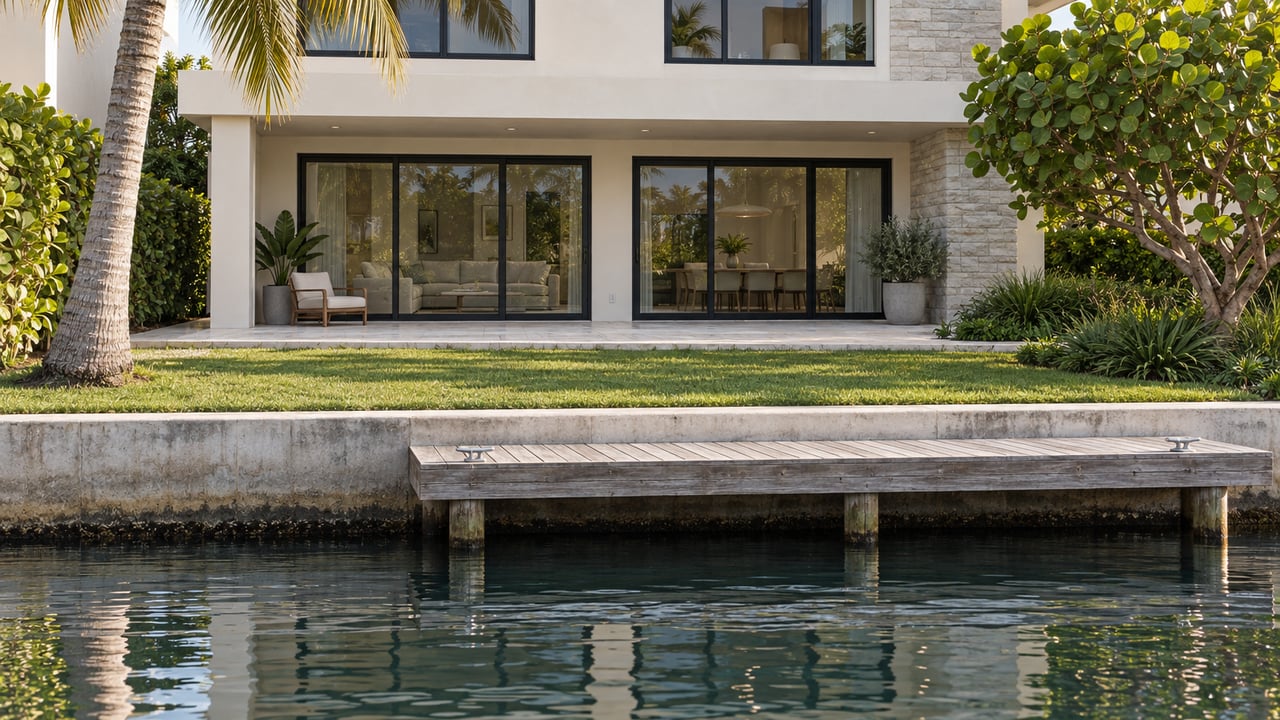
The waterfront should feel usable, not overlooked. Clean the dock, remove unnecessary items from the boat area, and make sure the seawall cap is visible. These simple steps can improve both photos and in-person impressions.
Because buyers are evaluating utility as well as appearance, small details matter. A tidy dock area suggests ongoing care and can make the property feel more move-in ready.
Highlight function, not just finishes
A beautiful kitchen helps, but waterfront buyers often want proof that the property works well outside. If you have recent dock repairs, a documented seawall update, a working lift, or a recent survey, those details can help tell a stronger story.
This is especially true in a built-out city like Lighthouse Point. Since buyers are not shopping for untouched land, they are often paying for the quality and usability of what is already there.
How to market to the right buyer
Strong online presentation is essential
Many buyers start online. NAR reported that 43% of home buyers in 2024 began their search on the internet, and a separate NAR article says 81% consider listing photos the most important factor when evaluating properties.
For a Lighthouse Point waterfront home, your listing needs to answer key questions before a buyer ever schedules a showing. That includes the feel of the home, but also the boating setup, water access, and condition of waterfront features.
Show boating details clearly
A generic listing description is not enough for this type of property. Buyers may want to see canal frontage, dock dimensions, lift details, seawall information, recent repairs, and the route to the Intracoastal Waterway and Hillsboro Inlet.
These details help out-of-area buyers understand what makes the home practical for waterfront living. They can also reduce wasted showings from buyers whose boating needs do not match the property.
Use visuals that explain the property
For waterfront listings, visuals should do more than look attractive. Drone footage, twilight exterior photos, and images that clearly show dock layout and canal setting can help buyers understand the property’s real value.
In a niche market, the goal is not just attention. The goal is attracting the right buyer with the right expectations.
Common mistakes to avoid
Pricing like a standard single-family home
A waterfront property in Lighthouse Point should not be positioned like a non-waterfront home with a premium added on top. Buyers often evaluate boating function, dock usability, and seawall condition as core features, not extras.
If those features are strong, they should be reflected in the marketing and pricing strategy. If they need work, that should be accounted for realistically.
Waiting to organize documents
One of the easiest ways to slow down a sale is scrambling for permits, surveys, or repair records after a buyer shows interest. Waterfront transactions tend to invite more detailed due diligence.
When you prepare the file in advance, you can answer questions faster and keep momentum moving toward contract and closing.
Being vague about flood or waterfront history
Trying to gloss over past flooding, permit concerns, or known waterfront issues can backfire. Florida’s disclosure requirements are clear, and buyers often investigate these issues carefully.
A straightforward approach builds trust. It also lowers the chance of problems surfacing late in the transaction.
Why local strategy matters
Selling a waterfront home in Lighthouse Point requires more than general real estate knowledge. You need a pricing and marketing plan that reflects how buyers evaluate canal properties in a built-out boating community.
That means understanding the local waterfront setup, preparing the right documentation, and presenting the property in a way that speaks to both local and relocating buyers. With the right strategy, you can reduce friction, improve buyer confidence, and put your home in a stronger position from day one.
If you are getting ready to sell and want a tailored plan for your waterfront property, connect with Red Pin Realty for a free market consultation.
FAQs
What matters most when selling a waterfront home in Lighthouse Point?
- Buyers often focus on canal width, dock layout, seawall condition, water depth, permit history, and boating access in addition to the home itself.
What flood disclosure is required when selling a home in Florida?
- Florida requires sellers to provide a flood disclosure at or before contract execution, including known flood damage during ownership, flood-related insurance claims, and flood-related federal assistance.
What documents should Lighthouse Point waterfront sellers gather before listing?
- It helps to gather permits, surveys, repair records, lift information, seawall records, and documentation for additions or major waterfront improvements.
Why do buyers ask about the seawall when buying a Lighthouse Point home?
- Seawall condition affects buyer confidence because it relates to maintenance, long-term waterfront function, and in some cases structural support for improvements.
Should a Lighthouse Point listing mention Intracoastal and inlet access?
- Yes. Clear information about access to the Intracoastal Waterway and Hillsboro Inlet can help buyers understand the property’s boating utility.
How should a waterfront home in Lighthouse Point be marketed online?
- The best listings clearly show photos, dock setup, canal frontage, waterfront condition, and practical boating details so buyers can quickly assess whether the property fits their needs.