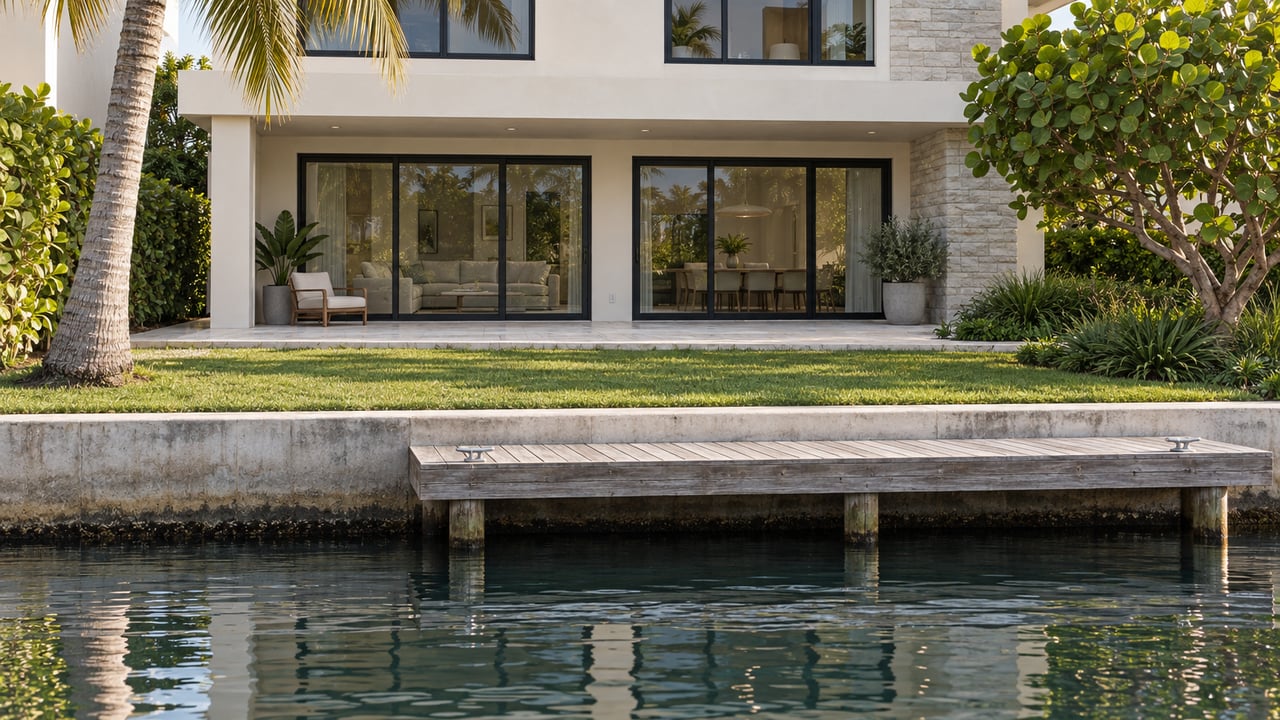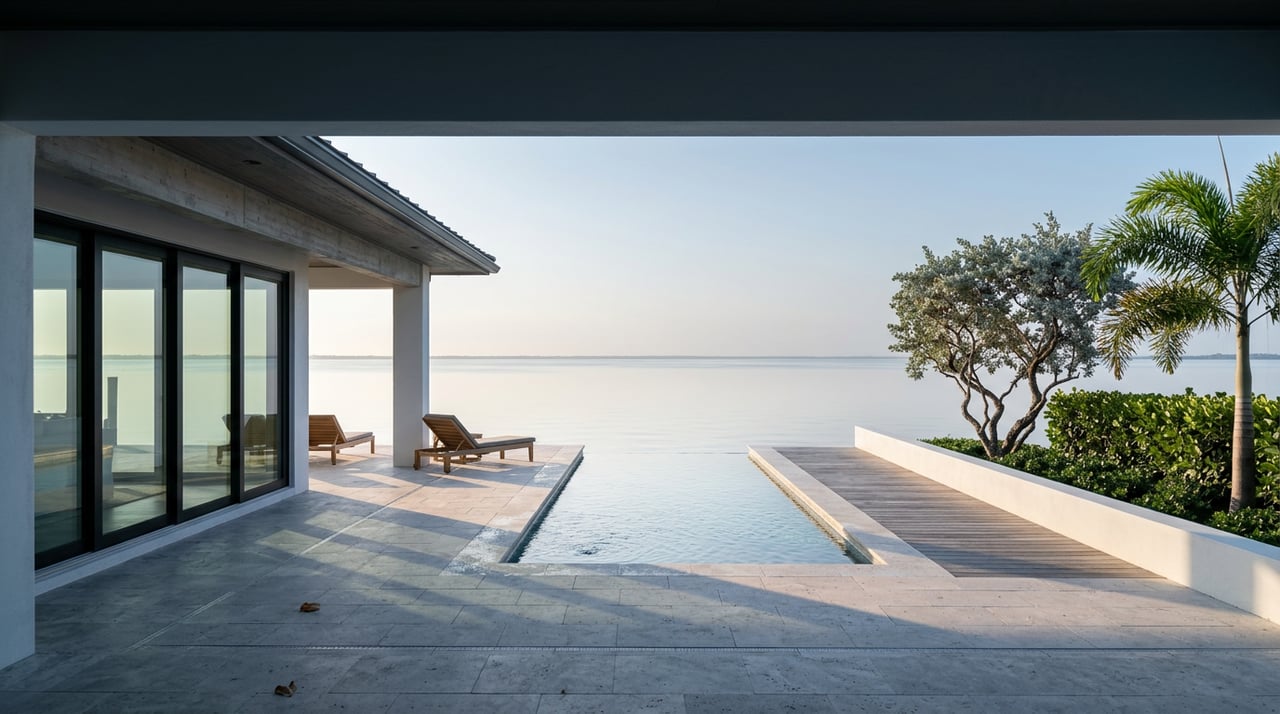
Every October, the water taxi dock behind Cap's Place fills up before the sun goes down. Locals who have made the crossing a dozen times still get the same look on their faces stepping onto that little ferry, because the boat ride is half the reason anyone comes. Cap's Place sits on its own spit of land off the Intracoastal, reachable only by water, and every year the first week of stone crab season turns that short crossing into the most popular ticket in Lighthouse Point.
Here's the part nobody mentions while they're waiting in line for that boat: the day everyone circles on the calendar is the worst day to actually go.
Florida's stone crab season opens October 15 and runs through May 1, and that's true again this year for the season that starts in a few weeks. What most people don't clock is that this window used to be longer. Before 2020, the season ran from October 1 through May 15, a full 32 weeks and two days. The Florida Fish and Wildlife Conservation Commission trimmed it down to 28 weeks and two days specifically to give crabs more time to regenerate the claws that get harvested. That change matters for anyone deciding when to actually eat the thing, because a shorter season compressed into the same demand curve means the opening days get more crowded, not less, even though the biology hasn't changed in the crab's favor yet.
Why the 15th Costs More for Less
Stone crab claws are harvested live. A trapper pulls the crab, takes one claw if it's at least two and seven-eighths inches long, and puts the crab back in the water to grow another one. That's the whole appeal of the fishery: it's one of the few seafood harvests in the state where the animal survives the transaction. But it also means supply builds slowly. In the first weeks of the season, boats are still filling their trap lines back up after a summer of no legal harvest, and the claws coming in tend to run smaller because the biggest ones haven't found their way into traps yet.
Smaller claws and a public that's been waiting all summer to eat them is exactly the combination that pushes prices up on opening week, even before anyone's paid a markup for the excitement. Restaurants along the coast reported this same pattern last season: familiar prices overall, but a distinct rush on day one that eases as the weeks go by and the traps start filling with bigger claws. One South Florida market known for its stone crab even runs a standing Thursday special, three dollars a claw for the medium size, a deal that only makes sense once supply has caught up with demand. That kind of pricing doesn't show up in week one. It shows up in December.
The pattern holds every year in the same order:
- Mid-October: smallest claws of the season, highest excitement, prices at their peak because supply hasn't caught up yet
- December through March: the stretch every seafood buyer in the state quietly waits for, when claw size and price both settle into their most consistent range
- Late April, heading into the May 1 close: supply can tighten again as the season winds down and traps start coming out of the water
If you're planning one big stone crab dinner this year instead of chasing the crowd on the 15th, the six weeks after Thanksgiving are the ones worth putting on the calendar.
Cap's Place Runs on Tide Time, Not Trend Time
None of this changes the fact that Cap's Place is worth the crossing whenever you go. The building itself predates the state's current stone crab regulations by almost a century. It opened in 1928 as Club Unique, built by a former rum runner named Eugene "Cap" Knight and his partner Al Hasis, constructed from Dade County pine on top of a dredging barge that had washed up on the property. It's the oldest structure in Lighthouse Point and the oldest restaurant in Broward County, and it earned a spot on the National Register of Historic Places in 1990.
What makes Cap's Place a genuinely local institution rather than a tourist stop is how it folds into the neighborhood's own calendar. Come December, it's one of the spots residents use to watch Lighthouse Point's holiday boat parade glide by on the Intracoastal, the same stretch of water the water taxi crosses every night of the year. That's the kind of detail that tells you a place belongs to a neighborhood instead of just sitting in it.
The boat-access part isn't a gimmick either. It means the restaurant runs on a different clock than anywhere you can just pull up to. Reservations matter more here than at a drive-up seafood house, because the water taxi has a schedule and a capacity, and showing up without a plan on the busiest week of the year is how you end up standing on the mainland dock longer than you'd like.
The Marina Circle Route
Cap's Place isn't the only stop on the water this season, and it's not the only way to eat stone crab in Lighthouse Point without a reservation weeks out. A short drive over at Lighthouse Point Marina, Nauti-Dawg Restaurant & Bar keeps a schedule built for regulars rather than special occasions: open daily from 8 a.m. to 9 p.m., with brunch running every day until 3 p.m. It's the kind of place where you can walk in on a Tuesday, order off the daily catch, and be back at your slip before dark.
Papas Raw Bar has become another fixture of the neighborhood's weekly rhythm, with Wednesday nights drawing a regular crowd for live music along with the raw bar menu. Between Cap's Place, Nauti-Dawg, and Papas, the neighborhood has three distinct ways to mark the start of the season: the historic, reservation-driven crossing, the daily dockside spot with no ceremony required, and the midweek gathering that's as much about the music as the menu.
What the Season Actually Says About Living Here
Stone crab season is a small thing in the scheme of a year, seven months out of twelve, one claw per crab, a handful of restaurants that treat it as a real occasion. But it's also a decent snapshot of what it means to live somewhere the water sets the schedule. The best seafood here doesn't show up on demand. It shows up when the traps fill and the tide cooperates, and the neighborhood has organized a good chunk of its calendar, its boat parade included, around that same rhythm.
If you already live in Lighthouse Point, you've probably made the crossing to Cap's Place at least once and told a friend about the water taxi ride before you told them about the food. That's the right order. The claws will be better in six weeks anyway.
If you're weighing what it's like to actually live somewhere the water dictates this much of daily life, from the boat parade route to the restaurant reservations, that's exactly the kind of neighborhood texture Red Pin Realty spends its time on. Reach out anytime you want a broker's read on what a stretch of Lighthouse Point waterfront actually offers beyond the listing photos.
This article is general information, not legal, tax or financial advice. Consult a qualified professional about your situation.