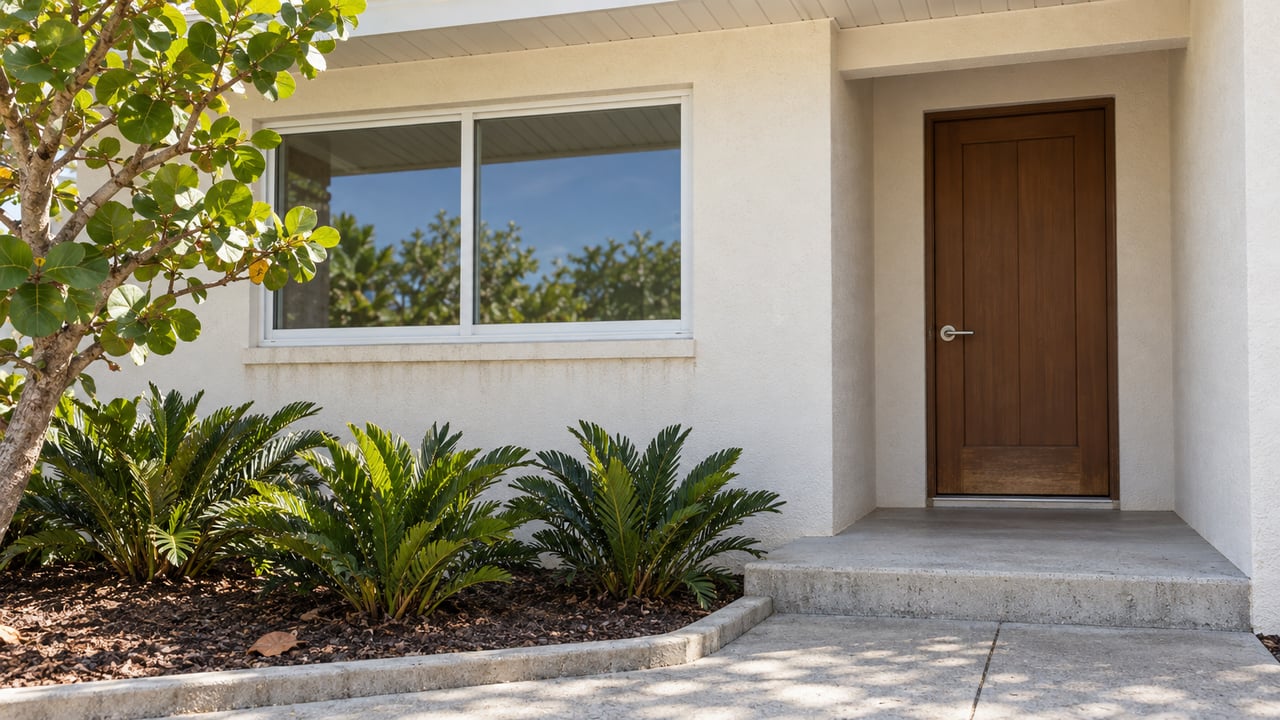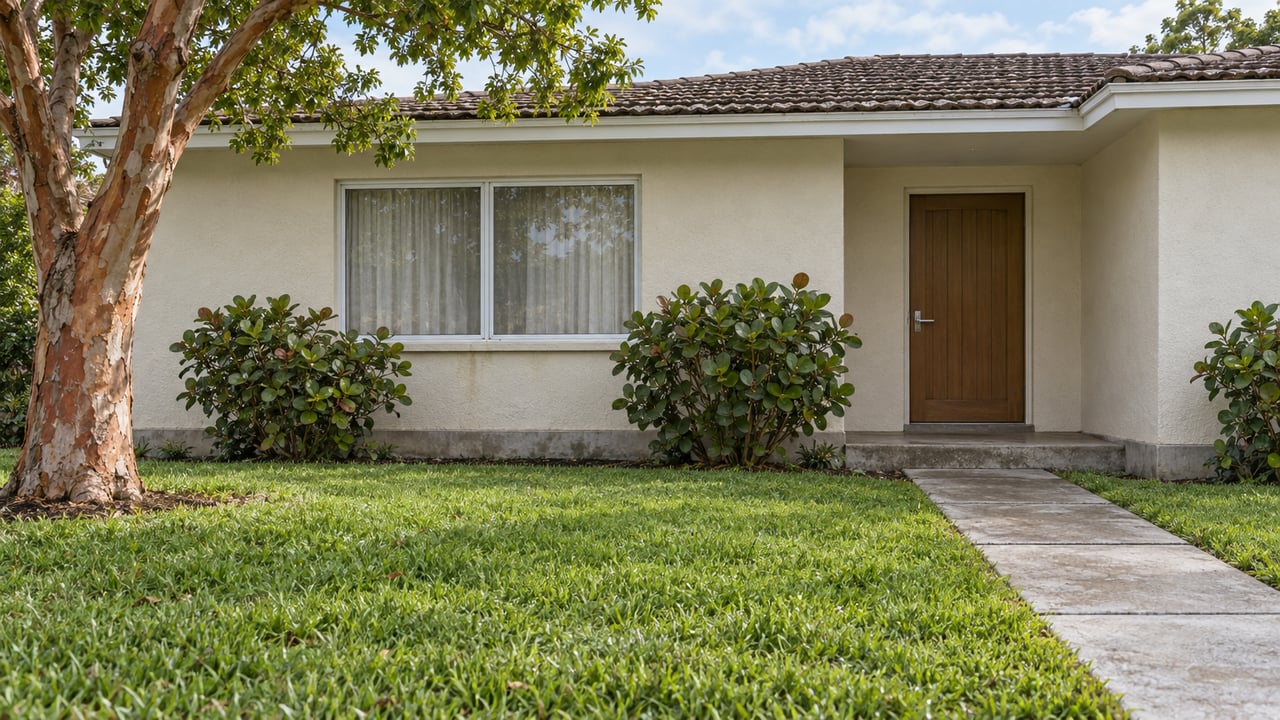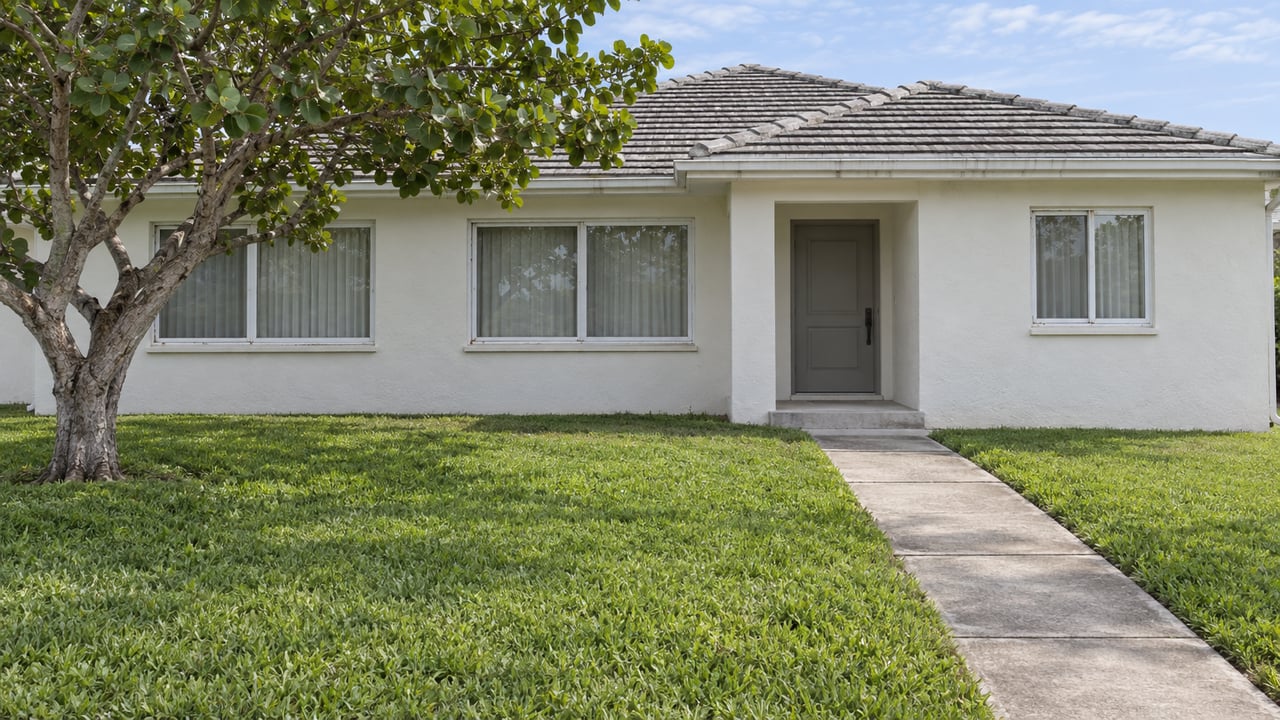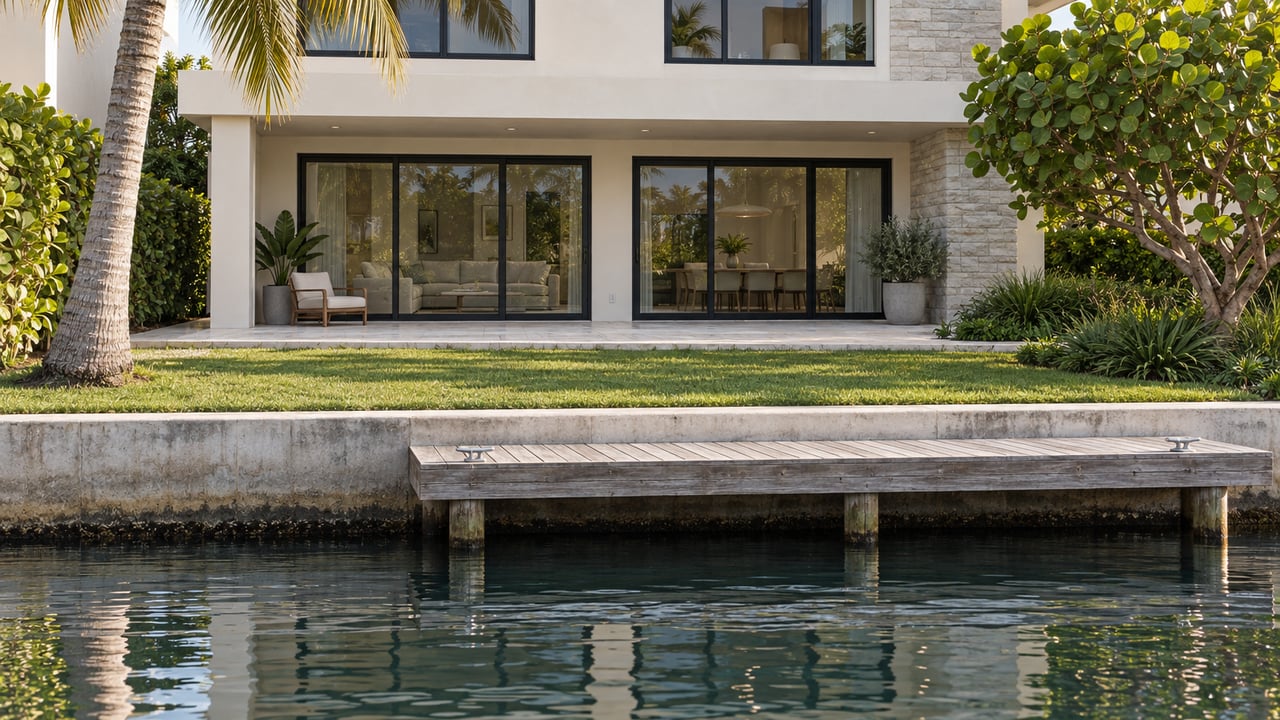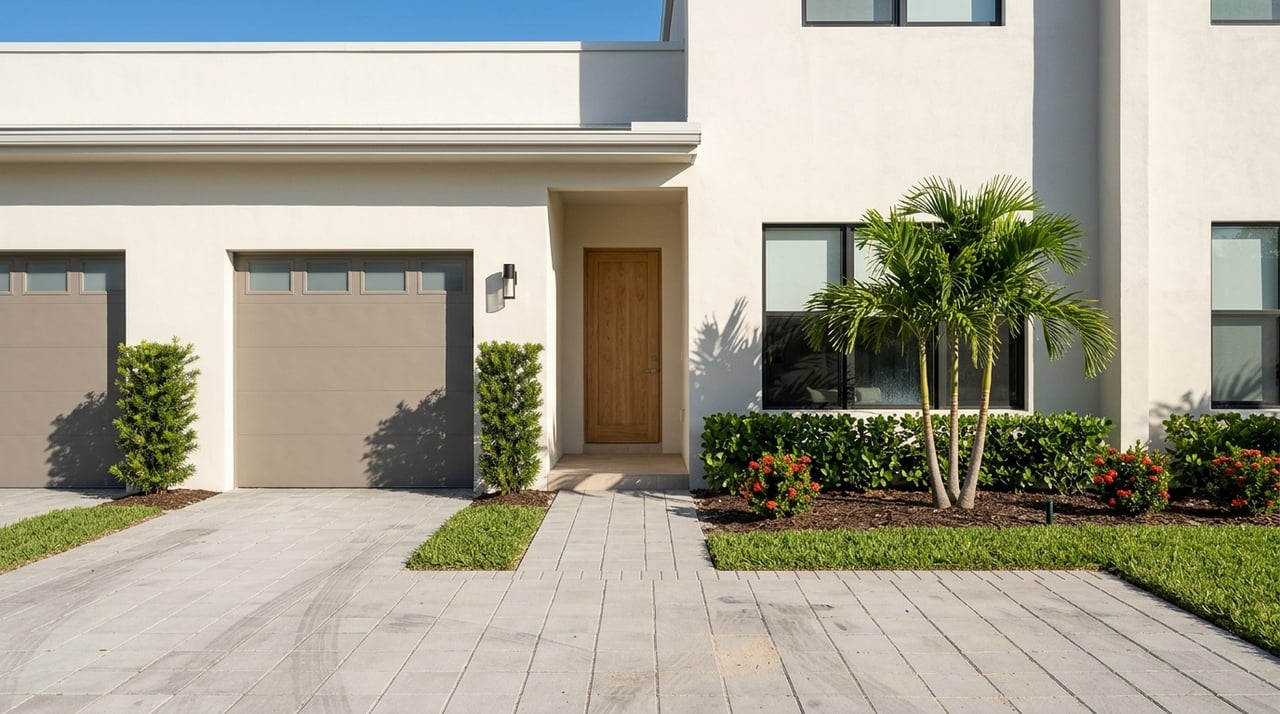
Wondering whether a townhome or villa in Lighthouse Point gives you the easier coastal lifestyle you want without the feel of a high-rise condo? You are not alone. In a city that is mostly made up of detached homes, attached homes are a more limited and specific option, which makes it even more important to understand what you are really buying. This guide will walk you through how townhome and villa living works in Lighthouse Point, what to watch for, and how to decide if it fits your goals. Let’s dive in.
Why townhomes and villas stand out
Lighthouse Point is a compact coastal city with an estimated 10,756 residents and about 2.31 square miles. The city is largely built out, and its planning documents describe the housing stock as heavily residential, with about 74% detached single-family homes.
That matters because townhomes and villas are not the dominant housing type here. Instead, they tend to appear in smaller clusters, giving you a low-rise alternative if you want less exterior upkeep without moving into a tower-style condo building.
What “townhome” means locally
In Lighthouse Point city code, a townhouse is defined as attached dwelling units that share a common wall. In real life, listings in the area often show attached homes with practical layouts like 2 bedrooms and 2.5 baths or 3 bedrooms and 2.5 baths, with around 1,800 square feet.
That gives many buyers a middle ground. You may get more space than a typical condo while still keeping a more manageable footprint than a detached house.
Why the ownership type matters most
Here is the part many buyers miss: the marketing label is not the most important detail. What matters most is the recorded ownership structure.
In Florida, attached homes can fall under different legal frameworks. A property may be part of a homeowners association governed under Chapter 720, or it may be a condominium governed under Chapter 718. That distinction can affect maintenance responsibilities, insurance, budgets, rental rules, parking, and approval requirements.
HOA vs condo in plain English
If the property is in an HOA structure, you typically own your parcel and the association operates the community. Under Florida law, the association can collect assessments, enforce rules, and in some cases impose fines or suspend certain use rights for violations or unpaid obligations.
If the property is a condominium, each unit includes an undivided share in the common elements. That changes how ownership and maintenance are structured, so you should always review the declaration, bylaws, and community rules before you assume what is covered.
What low-maintenance living can really mean
The biggest draw of a Lighthouse Point townhome or villa is usually simpler day-to-day ownership. Compared with a detached home, attached living often means less exterior maintenance and a more compact setup.
For many buyers, that can be a great fit. You may spend less time worrying about a large yard or the full exterior of a standalone house, while still enjoying a neighborhood-scale setting.
The lifestyle is coastal and low-rise
In Lighthouse Point, the appeal is not about vertical living. It is more about enjoying a coastal location and local amenities in a smaller attached-home setting.
The city maintains parks, a tennis center, a community center at Dan Witt Park, boating-related amenities, and a wheelchair-accessible no-fare community shuttle. For buyers who want convenience and a relaxed local feel, that can make attached-home living more appealing.
Some communities are tied to amenities
Certain attached-home projects in Lighthouse Point are connected to club or waterfront settings rather than a typical condo experience. City planning records for the Lighthouse Point Yacht Club area, for example, contemplated townhomes paired with a homeowners association tied to Yacht Club membership.
The city’s comprehensive planning documents also identify local recreational uses such as the Lighthouse Point Yacht and Racquet Club and Lighthouse Point Marina, with amenities like marinas, tennis courts, pools, and a restaurant. That does not mean every community offers those features, but it does show how some attached-home options here are shaped by lifestyle amenities.
The trade-offs to know before you buy
Townhome and villa living can feel simpler, but it is not hands-off. Shared walls, association dues, rules, and architectural review are all part of the package.
In Lighthouse Point, buyers should pay close attention to what the community documents actually say. The rules may affect how you use outdoor space, what changes you can make, whether rentals are allowed, and how future repairs are funded.
Reserve funds and special assessments
One of the most important financial questions is how the association handles reserves. Under Florida HOA law, reserve accounts may be included in the budget, but they are not required unless the association is structured that way or the membership votes to create them.
If reserves are not fully funded, annual financial reports must include a warning that special assessments may result. For you as a buyer, that means the monthly payment alone does not tell the full story. A low-maintenance lifestyle can still come with major future costs if the community has deferred funding.
Building inspections can vary by property type
Not every attached home faces the same inspection rules. Florida’s milestone inspection rules apply to condo or cooperative buildings that are three habitable stories or more, with earlier timing possible in saltwater-adjacent areas.
Chapter 718 also requires a structural integrity reserve study at least every 10 years for qualifying condo buildings. Those condo-specific rules do not apply to single-family homes and small multifamily dwellings with three or fewer habitable stories above ground.
Broward inspection rules to note
Broward County also has a Building Safety Inspection Program for buildings that are 25 years or older. But there are key exemptions that matter in this discussion.
Single-family homes, two- to four-family dwellings with three or fewer habitable stories, fee-simple townhouses, and minor structures under 3,500 square feet are exempt. That is another reason you should confirm exactly what type of ownership and building form you are dealing with.
Permits and HOA approvals matter
If you plan to make changes after closing, do not assume the process will be simple. Lighthouse Point says most structural changes require permits, and some projects also need HOA review.
For patio, balcony, Florida-room, or screen-room enclosures, the city requires items such as HOA affidavit or approval, a survey or floor plan, and other code-related documents. The city also notes that permits may still need zoning approval.
Outdoor cooking rules are stricter
Lifestyle details can surprise buyers, especially in attached communities. In Lighthouse Point, the city fire code treats attached buildings differently than detached homes.
For single-family attached properties over three units, townhouses, villas, and apartments, grills may not be used or stored on balconies. Listed electric tabletop grills under 200 square inches are allowed, but if outdoor cooking is important to you, this is worth confirming before you buy.
Rental plans need a closer look
If you are buying with future rental income in mind, check both the city rules and the community rules early. In Lighthouse Point, a transient rental is defined as a unit rented for six months or less, and the city requires an annual certificate of compliance.
That is only part of the picture. Your association documents may also limit leasing, require approvals, or place restrictions on timing and occupancy, so it is smart to verify those details before you count on rental flexibility.
A smart buyer checklist
Before you move forward on a Lighthouse Point townhome or villa, focus on the details that shape ownership after closing.
- Confirm whether the property is fee-simple with an HOA or legally structured as a condominium
- Review the declaration, bylaws, and current rules for maintenance, insurance, parking, rentals, and approvals
- Ask for the latest budget, financial statements, reserve information, and any pending special assessments
- Check whether your planned updates will require both city permits and HOA approval
- Verify local rental compliance if you may lease the property in the future
- Review balcony and grill rules if outdoor cooking or entertaining matters to you
Who this lifestyle fits best
A townhome or villa in Lighthouse Point can make sense if you want a lower-maintenance home in a coastal Broward setting without stepping into a high-rise building. It can also work well if you prefer a smaller residential cluster and are comfortable living within community rules.
On the other hand, if you want full control over exterior changes, fewer restrictions, or no shared walls, a detached home may still be the better fit. The right choice usually comes down to how you weigh convenience against control.
The bottom line on attached living
Townhome and villa living in Lighthouse Point is best understood as a niche option in a mostly single-family market. It offers a practical mix of lower-maintenance ownership, low-rise coastal living, and in some cases access to amenity-rich surroundings.
The key is to look past the listing label. When you confirm the ownership structure, review the financial health of the association, and understand local rules before closing, you can make a much more confident decision.
If you are weighing attached homes versus detached options in Lighthouse Point or nearby coastal Broward neighborhoods, Red Pin Realty can help you compare communities, review the fine print, and find the right fit for your goals.
FAQs
What is the difference between a Lighthouse Point townhome and a villa?
- In Lighthouse Point, the marketing label does not tell the full story. What matters most is whether the property is legally structured as an HOA parcel or a condominium, because that affects ownership, maintenance, insurance, and rules.
Are Lighthouse Point townhomes common?
- No. Lighthouse Point is mostly a detached single-family market, so townhomes and villas are more of a niche option that usually appears in smaller clusters.
Do Lighthouse Point attached homes always have an HOA?
- Many attached homes are association-governed, but the exact structure can vary. You should confirm whether the property is part of a homeowners association or a condominium association before you buy.
Can you grill on a balcony at a Lighthouse Point townhome or villa?
- In many attached-building settings, the city fire code does not allow grills to be used or stored on balconies. Listed electric tabletop grills under 200 square inches are allowed.
Can you rent out a Lighthouse Point townhome or villa short term?
- If the rental term is six months or less, Lighthouse Point treats it as a transient rental and requires an annual certificate of compliance. You should also check the association’s own leasing rules.
Do you need approval for changes to a Lighthouse Point attached home?
- Often, yes. The city says most structural changes require permits, and certain enclosure projects must include HOA affidavit or approval along with other required documents.
Why should buyers review reserves in a Lighthouse Point HOA?
- Reserve funding helps you understand whether the association is planning for future repair costs. If reserves are not fully funded, Florida law requires annual financial reports to warn that special assessments may result.