Dreaming of waking up to water views in Lighthouse Point? This small Broward County city offers a very specific kind of waterfront lifestyle, and it is not the same as oceanfront condo living or a beach-town resort experience. If you are thinking about buying here, it helps to understand how the canals, boating access, home types, and upkeep all shape daily life. Let’s dive in.
Waterfront Living Feels Different Here
Lighthouse Point is a compact, mostly built-out city in Broward County with about 2.31 square miles of land and an estimated 2024 population of 10,878. The city describes itself as small, quiet, and water-laced, with tree-shaded neighborhoods, cul-de-sacs, and limited vacant land. More than 95% of the city is already developed, which means the waterfront market is shaped more by existing homes, remodels, and rebuild opportunities than by brand-new neighborhood expansion.
What stands out most is that waterfront living here is canal-centric. According to the city’s comprehensive plan, Lighthouse Point does not have natural rivers, bays, harbors, or lakes. Instead, it has a man-made, bulkheaded canal network connected to the Intracoastal Waterway, so the experience is more about residential boating access than direct beach frontage.
Boating Is Central to the Lifestyle
If you picture waterfront living as keeping your boat close to home, Lighthouse Point fits that image well. The city says its eastern edge opens to the Intracoastal Waterway near the Hillsboro Lighthouse and Hillsboro Inlet, which is the route boaters use to reach the Atlantic. That location is a big reason ocean access is such an important part of the local appeal.
At the same time, boating here is not just casual scenery. It is part of how the city functions day to day, and it comes with rules and planning considerations. You can enjoy the convenience of nearby water access, but you also need to think through how your dock, route, and boat size match the property you choose.
Ocean Access Matters
For many buyers, the key question is simple: how easy is it to get out to the ocean? In Lighthouse Point, the answer depends on your exact canal location and your route to the Intracoastal, then out through Hillsboro Inlet. Homes that look similar on paper can offer very different boating experiences based on those details.
That is why buyers often focus on more than just the view. They also look closely at canal connectivity, turning room, and how quickly they can reach open water. In a city built around canals, those lot-specific differences can have a major impact on how you use the property.
Bridge Routes Affect Boat Planning
Bridges are an important part of waterfront life in Lighthouse Point. The city adopted a Bridge Replacement Master Plan in June 2024 that prioritizes the Sample Road Bridge, the NE 31st Court Bridge, and several canal crossings over waterways including Pelican, Tern, Alamanda, Egret, and Coral Key. That tells you something practical: bridge location and access are not minor details here.
For boaters, bridge clearance and route planning can affect what kind of vessel works well at a given property. For drivers, bridges can also shape daily circulation in certain parts of the city. Some areas even rely on a single bridge for access, so it is smart to evaluate both road access and boating access before you buy.
What Waterfront Homes Usually Look Like
Lighthouse Point is primarily a single-family residential city. The city says about 80% of residences are single-family homes, and many front the canal system. If you are shopping for waterfront property here, that housing pattern will define most of what you see.
Because the city is already largely built out, inventory can feel highly specific. Two homes on the water may differ a lot in dock setup, seawall condition, bridge route, lot orientation, and renovation history. That makes local property-by-property guidance especially important.
Canal-Front Single-Family Homes
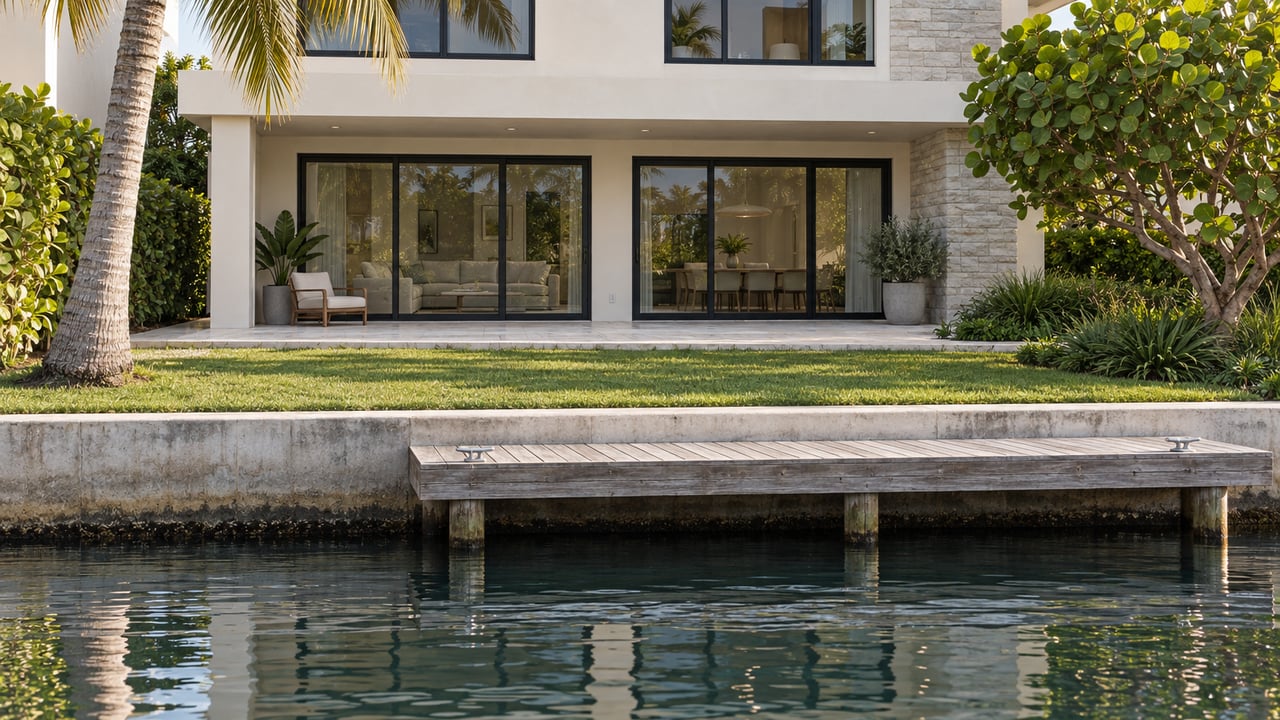
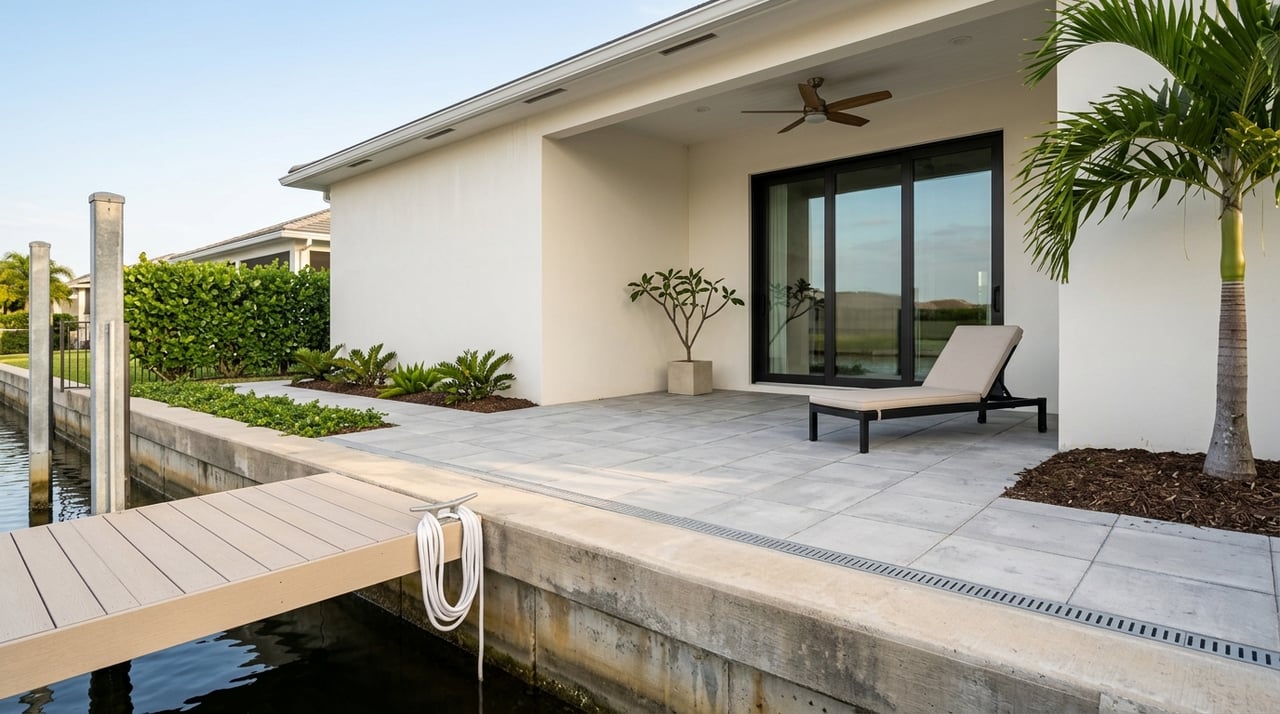
This is the most common waterfront setup in Lighthouse Point. These homes are typically tied to private docks, seawalls, and bulkheaded shorelines, reflecting the city’s canal-based design. If you want the classic version of Lighthouse Point waterfront living, this is usually where your search begins.
The appeal is often practical as much as visual. You may have direct water frontage and space designed around boating, outdoor living, and easy neighborhood access. But with that convenience comes responsibility for upkeep and storm readiness.
Bridge-Served Pocket Areas
Some residential sections have access patterns shaped by bridges. The city notes, for example, that the Sample Road Bridge serves as a single point of access and hurricane evacuation route to the Lake Placid community, while the NE 31st Court Bridge is the sole access point to a 25-lot residential island. For buyers, that means location affects more than your commute.
In these settings, it helps to think about traffic flow, evacuation logistics, and any access constraints that matter to your day-to-day routine. Waterfront charm can come with added planning, and understanding that upfront can help you choose the right fit.
Yacht Club and Marina-Adjacent Living
Another slice of the local waterfront lifestyle centers around the Lighthouse Point Yacht Club area. City materials describe a marina capped at 78 vessels, with permitted use for members in good standing, transient boats, a boat club, and one charter boat. Permitted marina uses include transient fueling, pump-out, provisioning, and minor repair.
Those same city materials also make clear that this is a regulated private-club environment, not an open public marina model. Liveaboards are limited to the Yacht Club Basin, while general public slip leasing, boat retail dealerships, and boat shows are prohibited. If you are drawn to marina-adjacent living, it helps to understand those use rules early.
Expect Waterfront Ownership Responsibilities
Buying on the water in Lighthouse Point means more than enjoying a dock and view. It also means taking ownership seriously from a maintenance and planning standpoint. This is one of the biggest differences between waterfront property and a more typical inland home.
The city’s Public Works Department says it regularly maintains the canal and storm-drain system because these waterways are vital for drainage. The city also notes that state and city law prohibit dumping into canals, and it has posted seawall erosion repairs in 2025, which shows that shoreline conditions are an active part of local infrastructure life.
Docks, Seawalls, and Drainage
If you own canal-front property, features like the dock, seawall, and waterfront edge are part of your day-to-day reality. Even when a home is beautifully updated inside, the outdoor waterfront structures still deserve close attention. In Lighthouse Point, these details are not cosmetic extras. They are part of how the property functions.
You will also want to remember that canals support drainage as well as recreation. That makes maintenance and care a shared local concern, not just a private one. Buyers who understand this early are usually better prepared for ownership.
Fueling and Boating Rules
Boating culture in Lighthouse Point is both relaxed and regulated. The city allows mobile bunkering only through companies permitted by Lighthouse Point Fire Rescue, with annual permits, fire inspections, cleanup agreements, and insurance requirements. In other words, even routine boating operations follow a local compliance framework.
That does not make waterfront living less appealing. It simply means the boating lifestyle here runs best when you know the rules and plan accordingly. For many buyers, that structure is part of what helps protect the character of the community.
Storm and Flood Planning Should Be Part of Your Decision
Any waterfront home search in coastal Broward should include questions about flood risk and storm prep, and Lighthouse Point is no exception. The city says it is in a flood-prone area and encourages flood insurance. It also makes FEMA elevation certificates available upon request, which can be useful when evaluating a property.
The city further notes that Lighthouse Point is in a mandatory evacuation area for Category 3 and above storms. Residents are encouraged to be self-sufficient for at least 72 hours, and garbage pickup may be delayed after a major storm. These are practical realities of waterfront ownership, not deal-breakers, but they should be part of your planning from the start.
Daily Life Is More Than Boating
Even though waterfront access defines the city’s identity, daily life in Lighthouse Point is not only about marinas and docks. The city also highlights parks, bike paths, a tennis center, youth sports, and the community center at Dan Witt Park. That gives the area a neighborhood-oriented rhythm that many buyers appreciate.
In other words, living on the water here can still feel residential and grounded. You are not stepping into a nonstop resort setting. You are stepping into a small, established city where boating, neighborhood streets, and local recreation all play a role.
What Buyers Should Keep in Mind
If you are considering waterfront living in Lighthouse Point, it helps to go beyond the photos and ask practical questions early. The city’s layout and housing stock mean each property can offer a very different ownership experience.
A smart buying checklist often includes:
- How direct is the route from the property to the Intracoastal and Hillsboro Inlet?
- Are there bridges on the boating route that could affect vessel size or navigation?
- What is the condition of the seawall, dock, and waterfront edge?
- Is the home in an area with bridge-dependent road access?
- What flood-readiness details should you review before making an offer?
- How much updating, renovation, or maintenance may be needed in a mostly built-out city?
When you look at waterfront homes through this lens, you can make a more confident decision based on how you actually want to live.
If you want help comparing canal-front homes, evaluating lot-specific tradeoffs, or planning your next move in coastal Broward, Red Pin Realty offers broker-led guidance with the local insight to help you buy with clarity.
FAQs
What kind of waterfront does Lighthouse Point offer?
- Lighthouse Point is known for canal-front and Intracoastal-connected residential waterfront living, not true beach-front living.
How do boaters reach the ocean from Lighthouse Point?
- Boaters typically travel from the canal system to the Intracoastal Waterway and then out through Hillsboro Inlet to reach the Atlantic.
What types of waterfront homes are most common in Lighthouse Point?
- The most common waterfront properties are single-family canal-front homes, with some bridge-served pocket areas and yacht club or marina-adjacent residential settings.
Why do bridges matter for Lighthouse Point waterfront homes?
- Bridges can affect both boating routes and daily driving, and some neighborhoods rely on a single bridge for access.
What upkeep comes with a waterfront home in Lighthouse Point?
- Buyers should expect to pay attention to docks, seawalls, drainage, waterfront edges, and storm preparedness as part of routine ownership.
Is Lighthouse Point in a flood or evacuation area?
- Yes. The city says Lighthouse Point is flood-prone and is in a mandatory evacuation area for Category 3 and above storms.